Categories
teatro

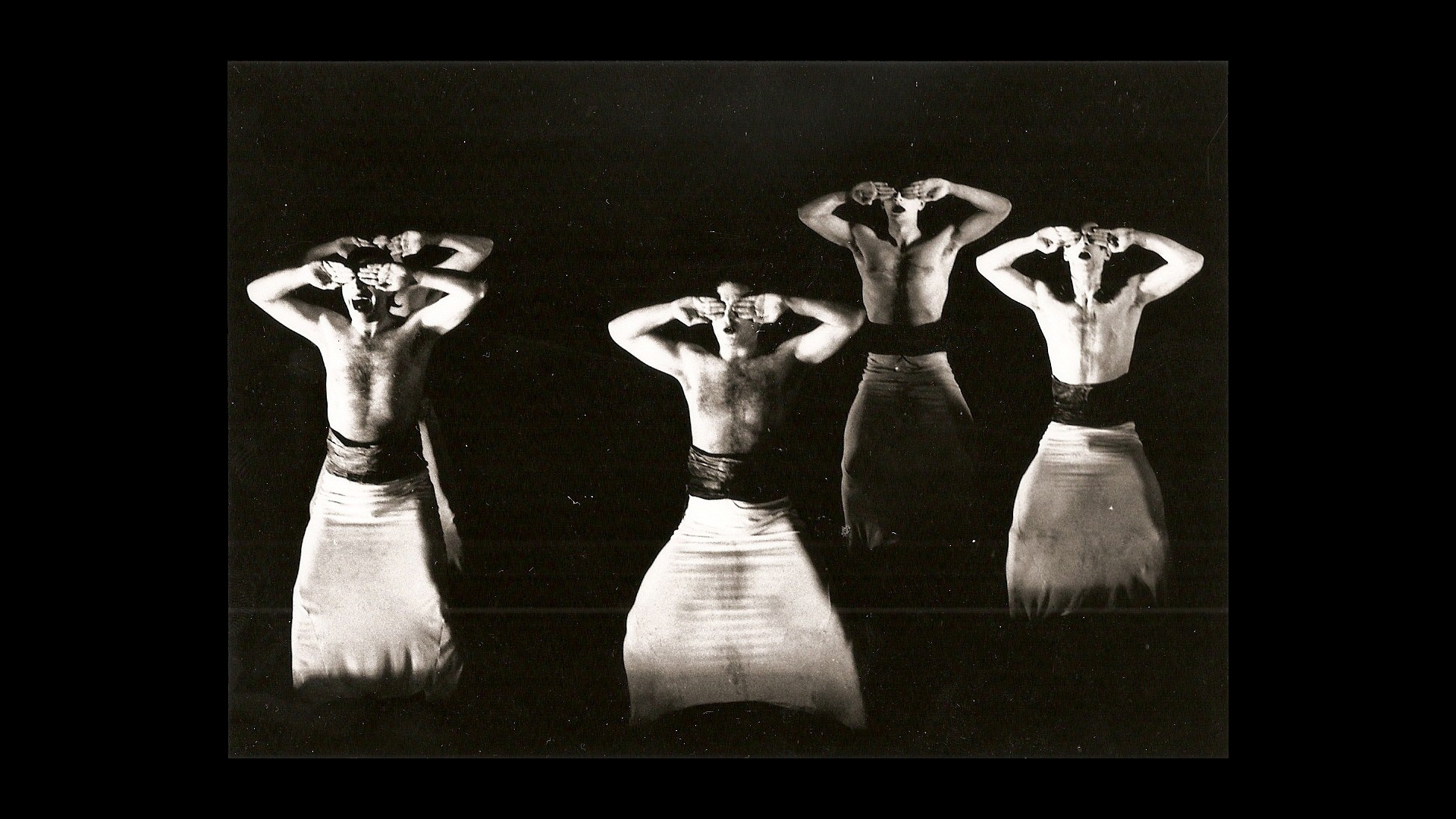
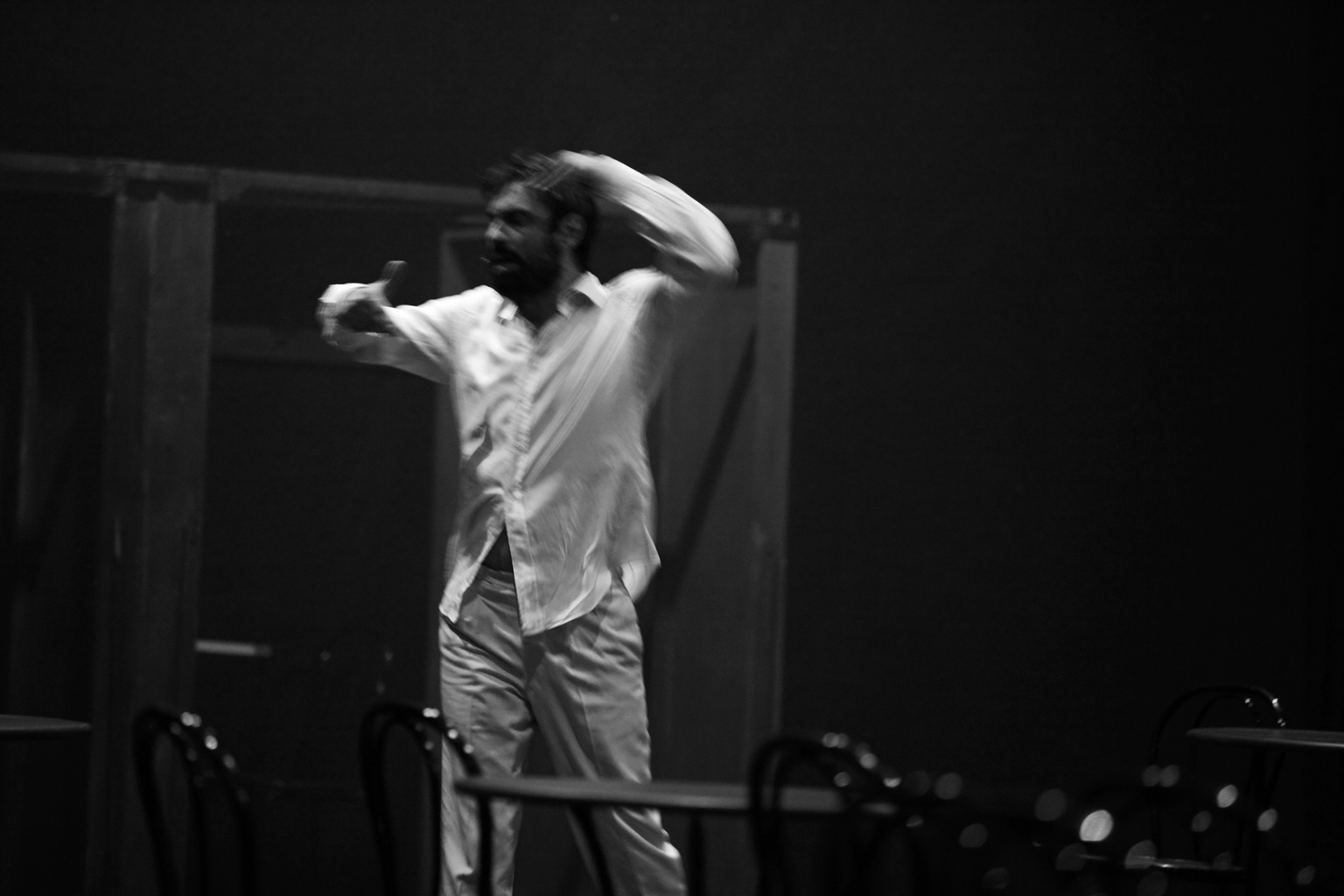
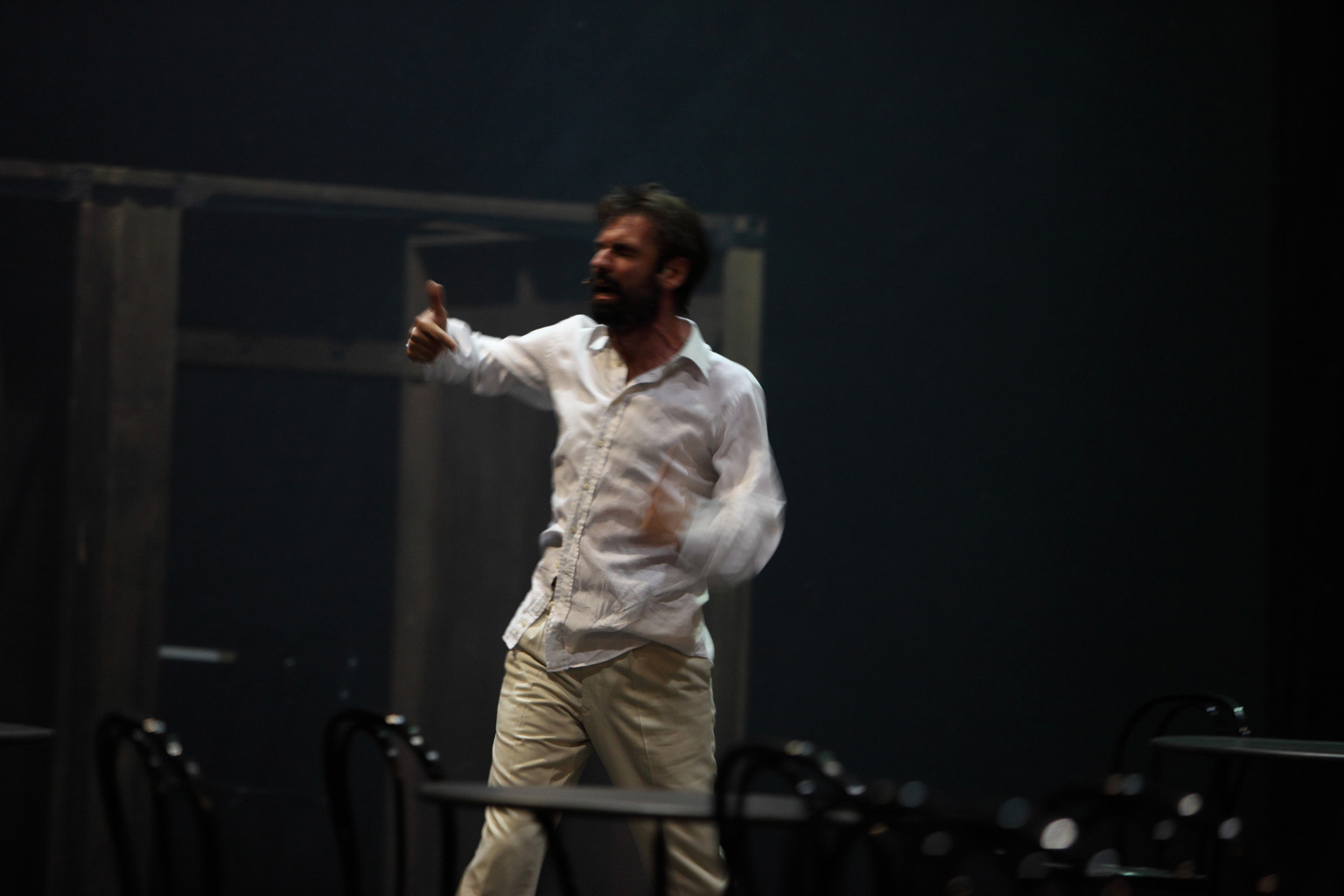
Antigone

“Antigone” - Foto di Johanna Weber

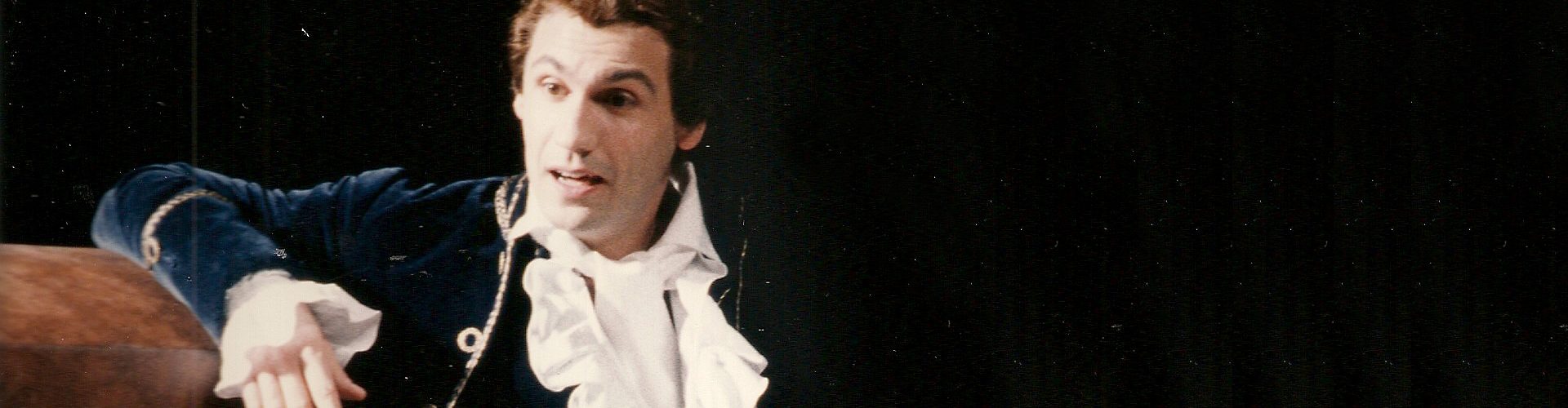
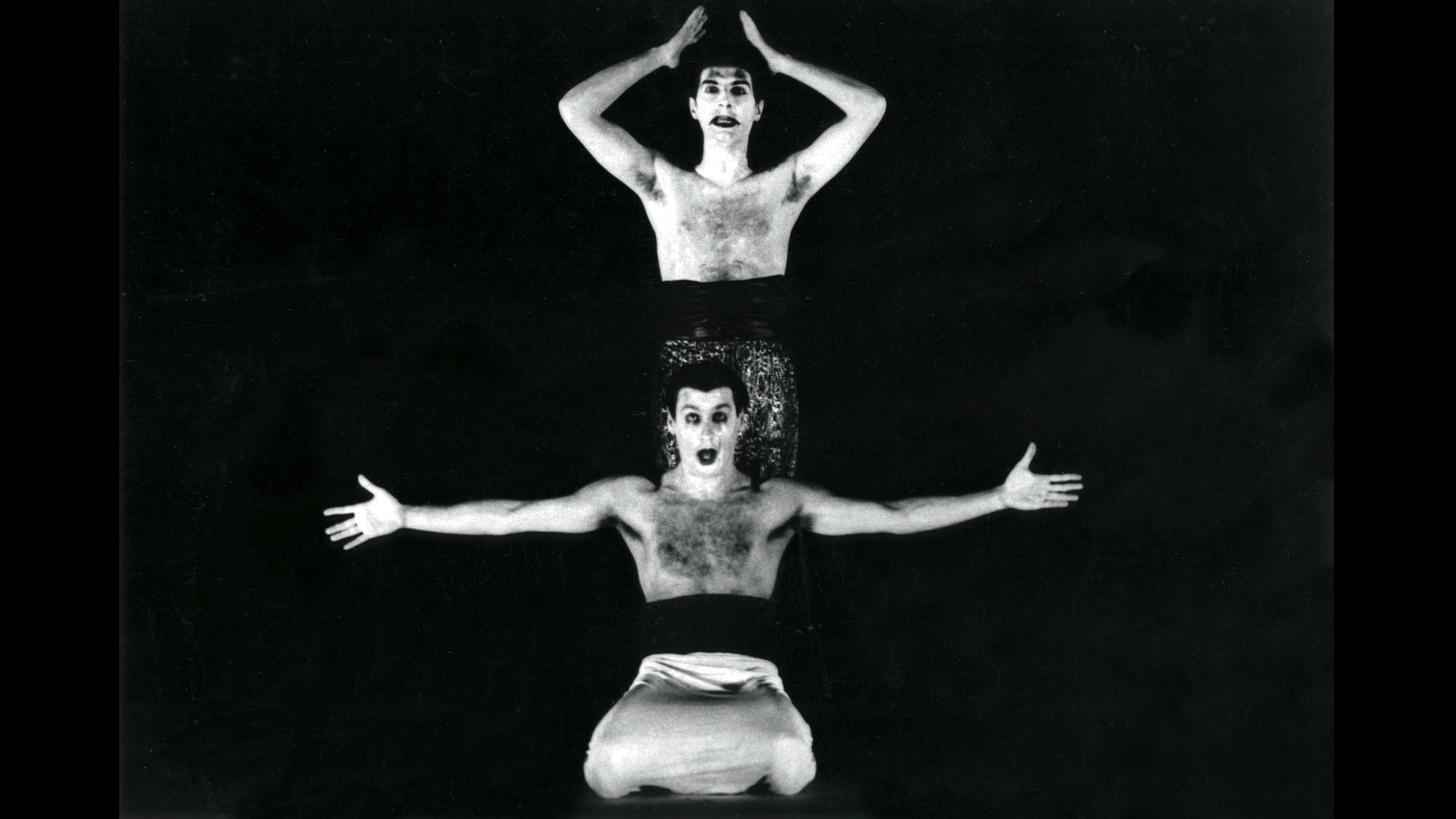
"Antigone" by Sophocles - 1995/1997

directed by Theodoros Terzopoulos

Atene, Teatro Attis, Summer 1997 (Tour in China, Japan and Korea)

Epidauro – 1995

With:

Galatea Ranzi: Antigone

Gaia Aprea: Ismene

Palumbo: Creonte

Fabrizio Gifuni: Guardia

Marco Brancato: Tiresia

China and Japan – 1997

With:

Gaia Aprea: Antigone

Sonia Berganasco: Ismene

Fabrizio Gifuni: Creonte

Paolo Musio: Capo Coro

Marco Brancato: Tiresia

Categories
teatro

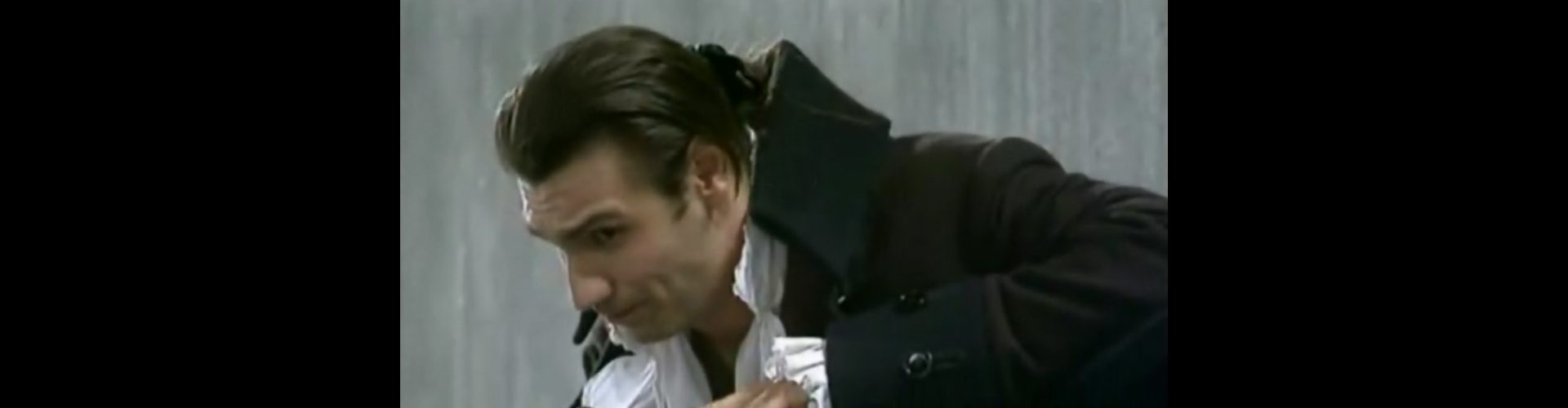
Le avventure della villeggiatura

Le avventure della villeggiatura

"Holiday Adventures" - 1996/97

Performance on 27 May 1996

directed by Massimo Castri

scenery by Maurizio Balò

lighting by Sergio Rossi

With:

Brigida: Michela Martini

Costanza: Laura Panti

Ferdinando: Mauro Malinverno

Filippo: Mario Valgoi

Giacinta: Sonia Bergamasco

Guglielmo: Fabrizio Gifuni

Leonardo: Luciano Roman

Paolino: Alarico Salaroli

Rosina: Cristina Spina

Sabina: Anita Laurenzi

Tognino: Pietro Faiella

Vittoria: Stefania Felicioni

Categories
teatro

Le smanie per la villeggiatura

“Le smanie per la villeggiatura”

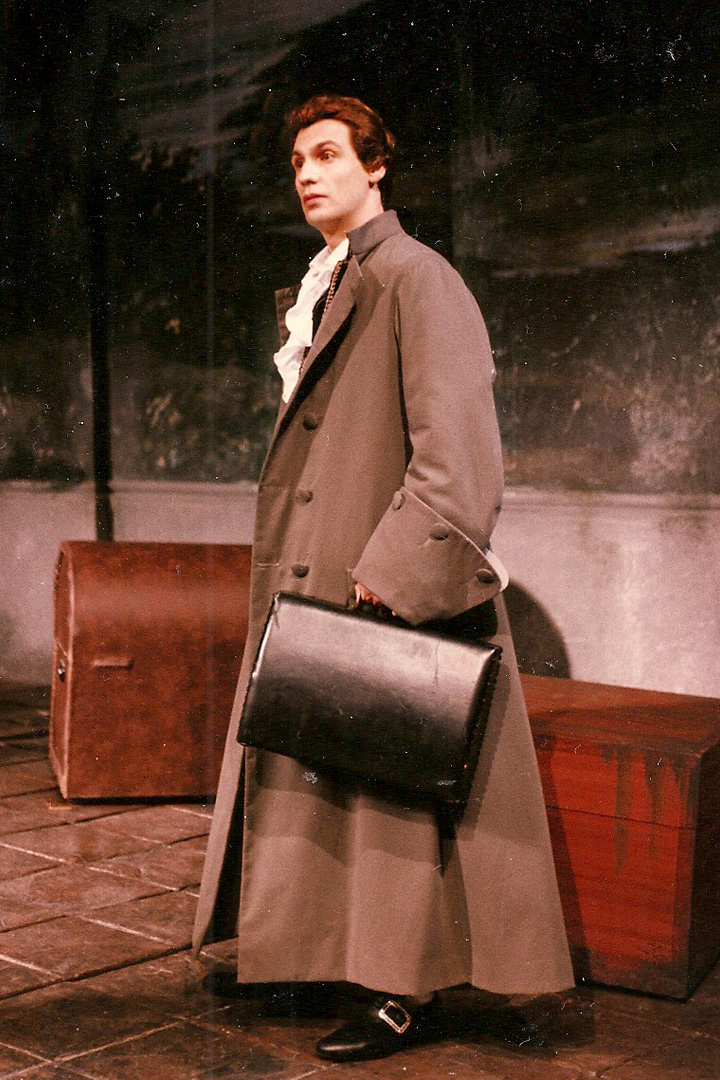
"Pining for Vacation" - 1995/96

by Carlo Goldoni

directed by Massimo Castri

Scenery, Maurizio Balò

Lights, Sergio Rossi

With:

Mario Valgoi, Filippo

Sonia Bergamasco, Giacinta

Fabrizio Gifuni, Guglielmo

Luciano Roman, Leonardo

Stefania Felicioli, Vittoria

Mauro Malinverno, Ferdinando

Tonino Pierfederici, Fulgenzio

Categories
teatro

Il ritorno dalla villeggiatura

Ritorno dalla villeggiatura

"Back from Vacation" - 1996/97

Performance on 27 November 1996

directed by Massimo Castri

scenery and costumes by Maurizio Balò

lighting by Sergio Rossi

live music by Arturo Annecchino

produced by Teatro Metastasio di Prato and Teatro Stabile dell’Umbria

With:
Mario Valgoi ( Filippo), Sonia Bergamasco (Giacinta), Fabrizio Gifuni (Guglielmo), Luciano Roman (Leonardo), Stefania Felicioli (Vittoria), Mauro Malinverno (Ferdinando), Tonino Pierfederici (Fulgenzio)

Categories
teatro

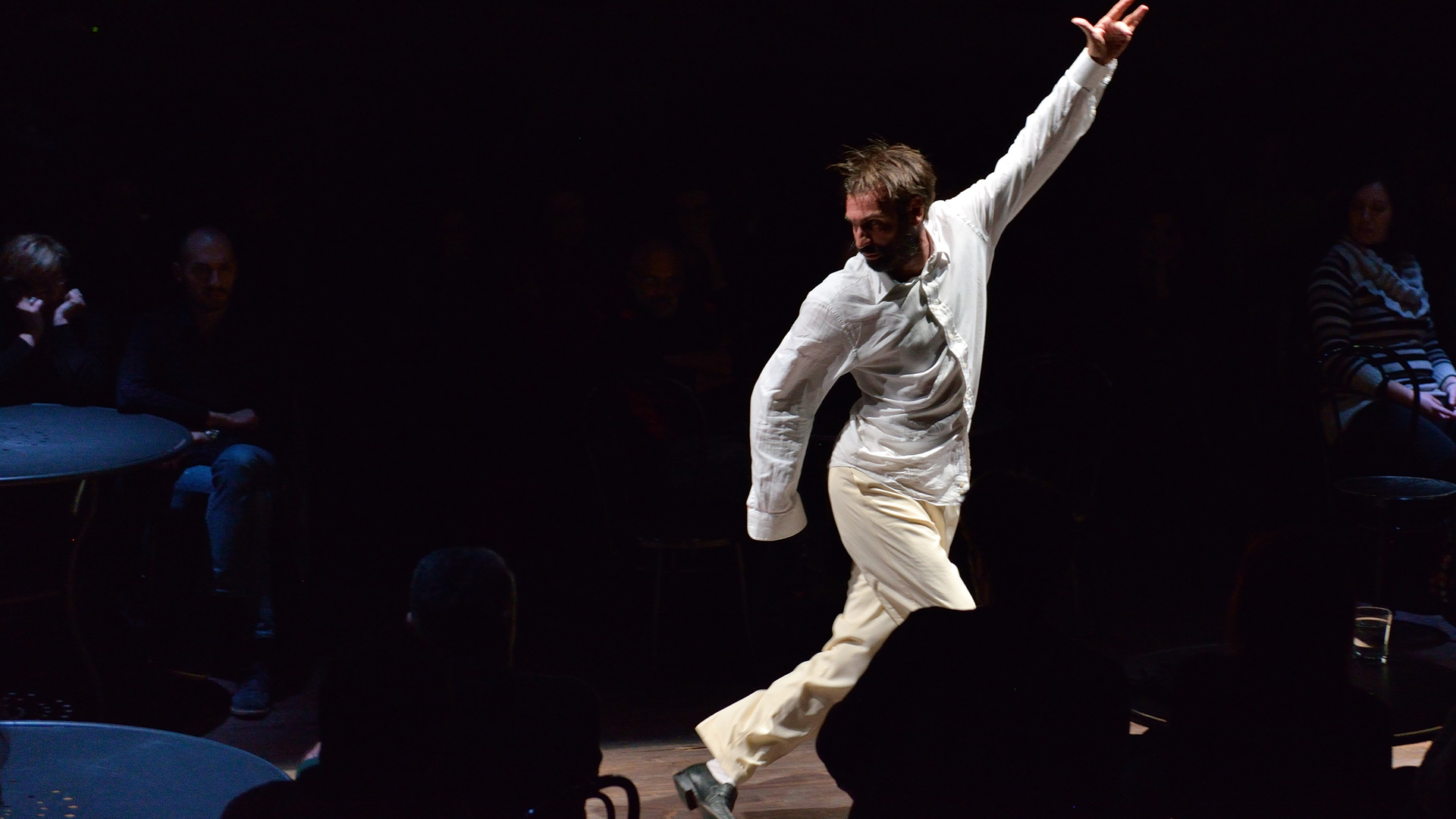
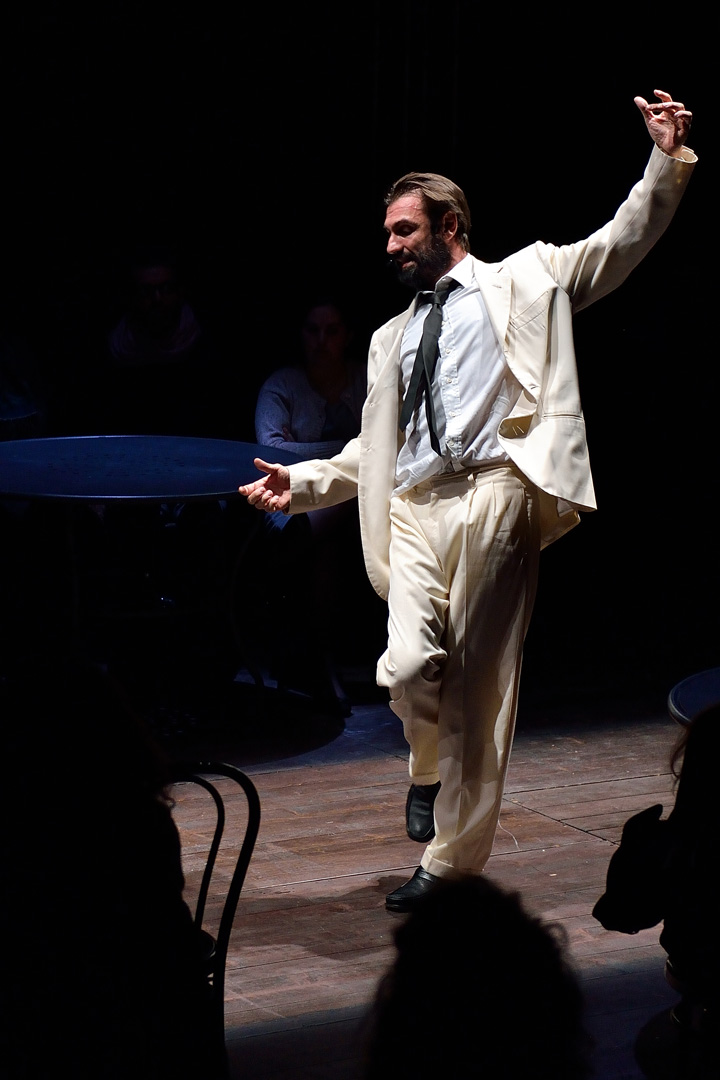
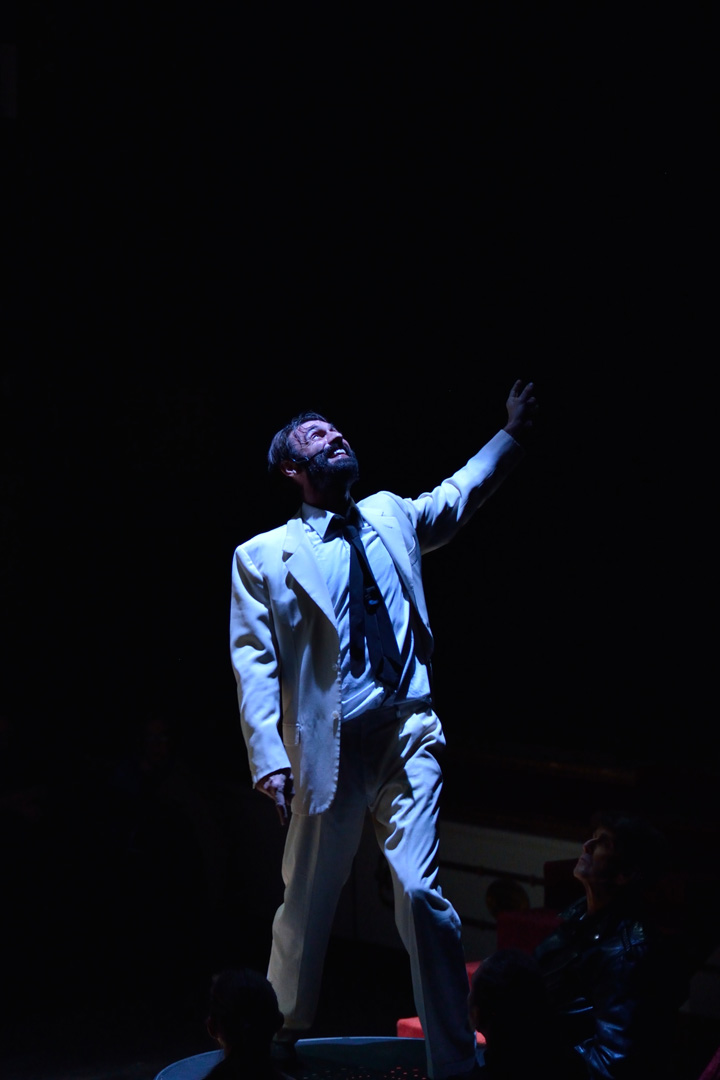
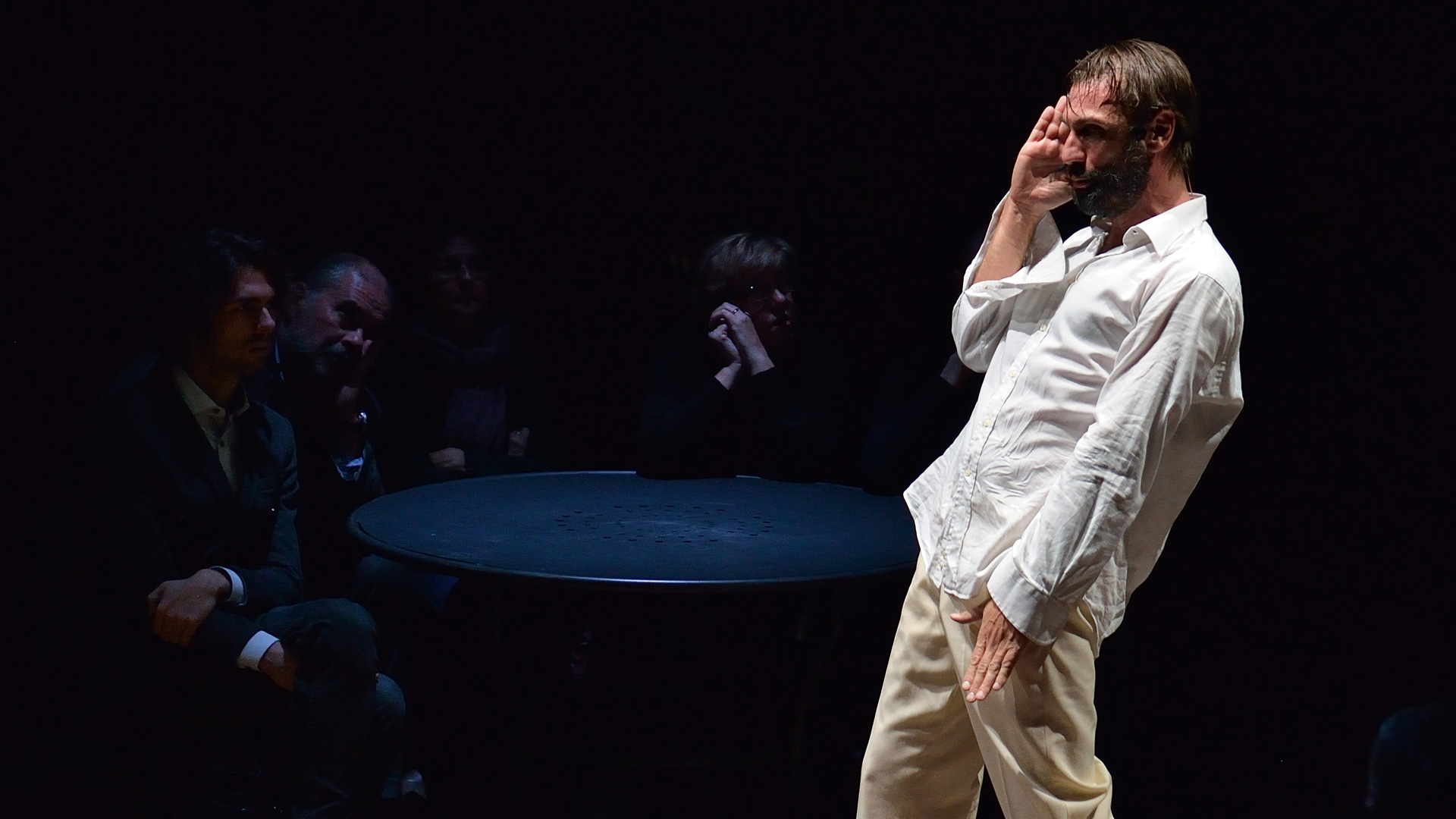
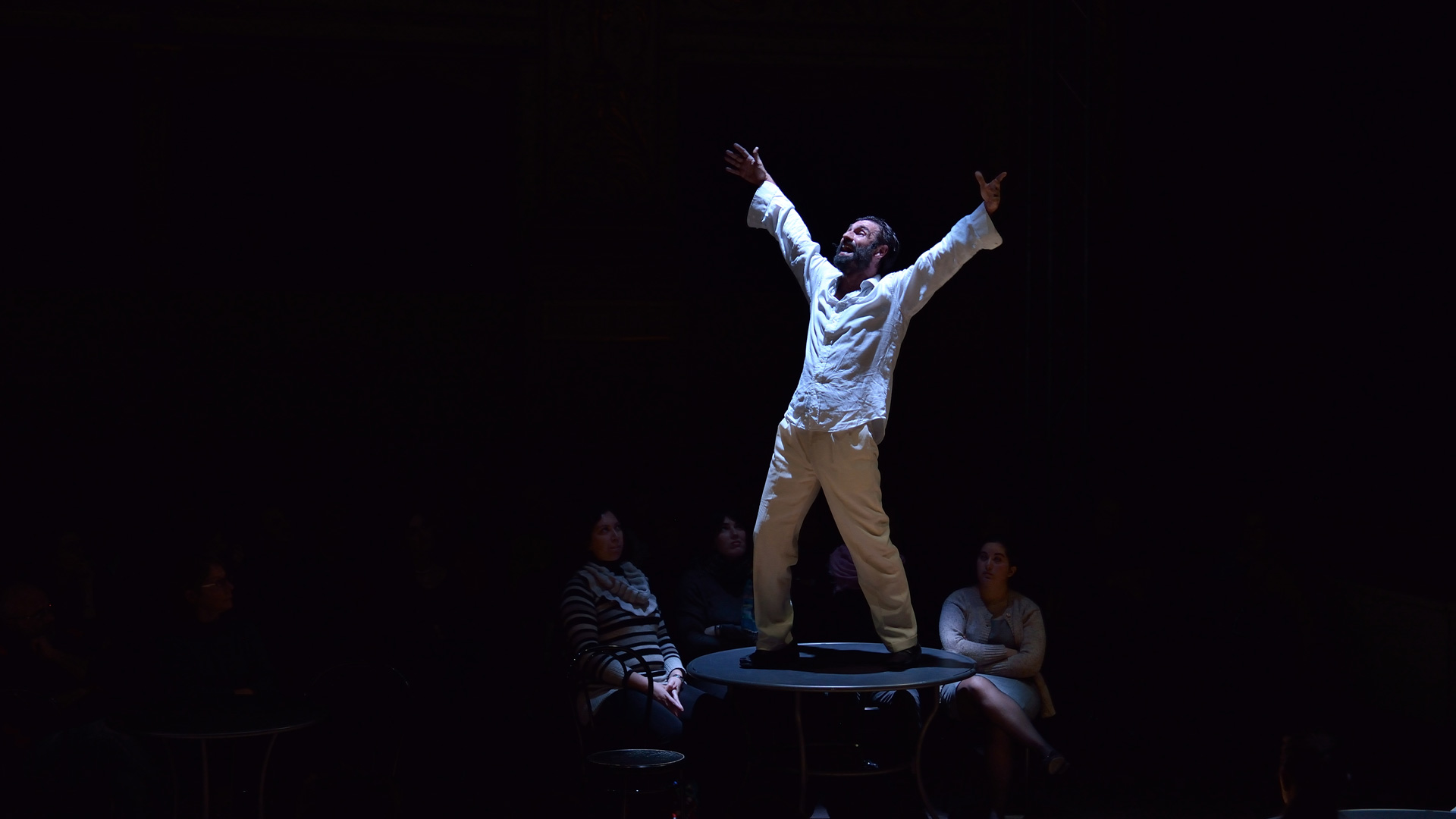
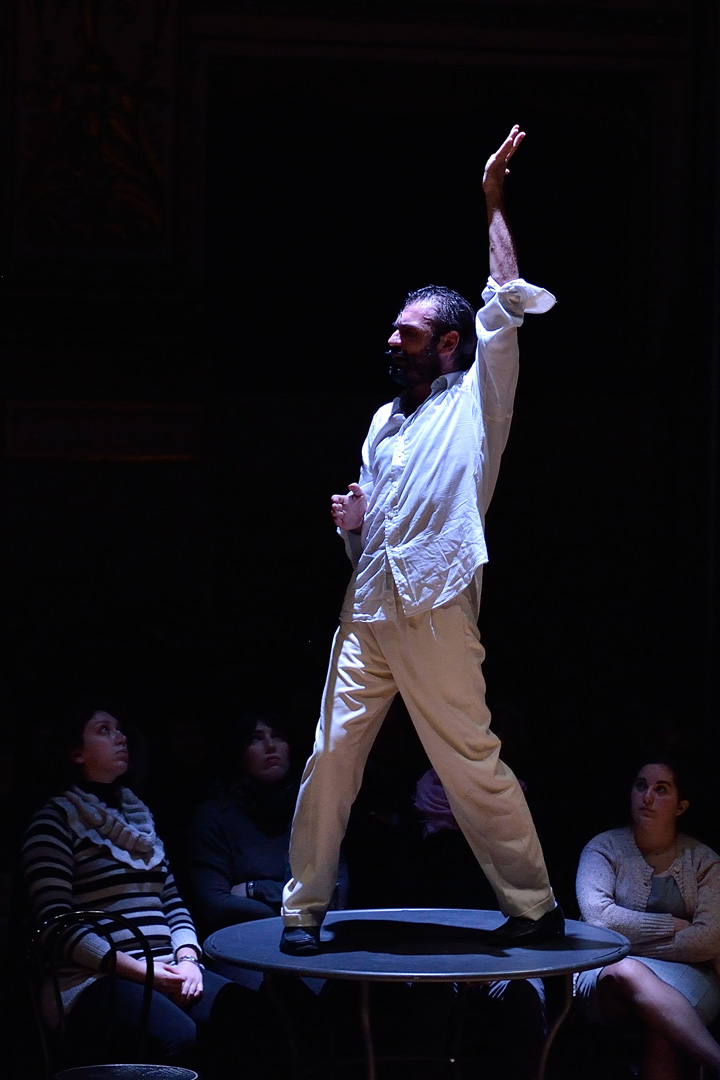
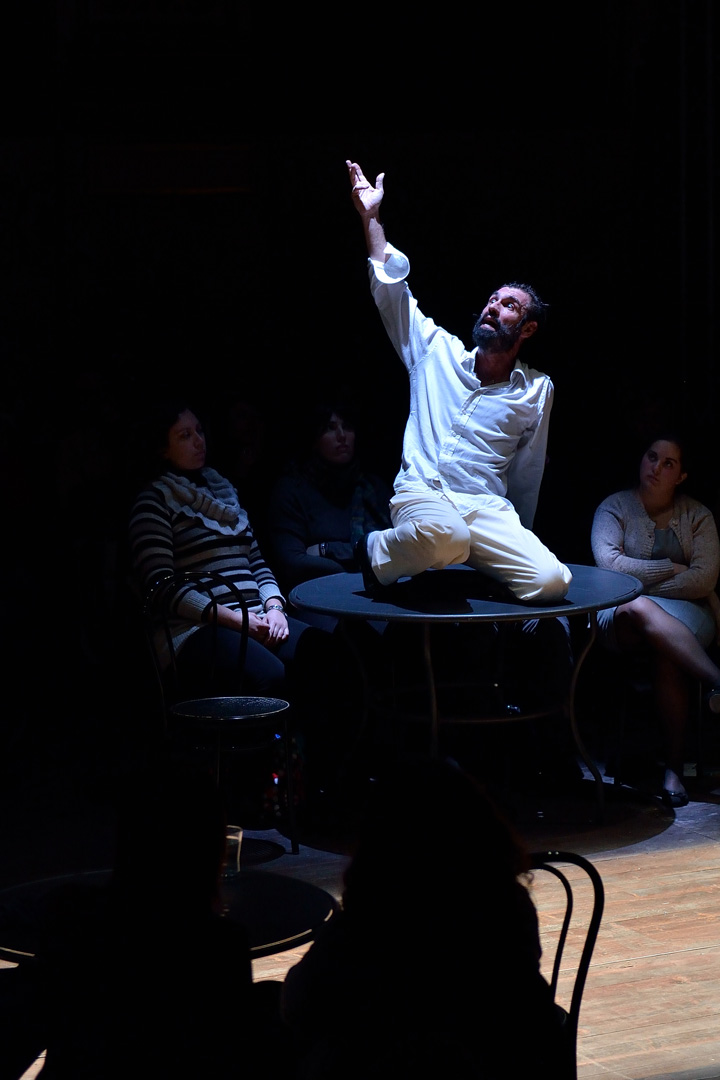
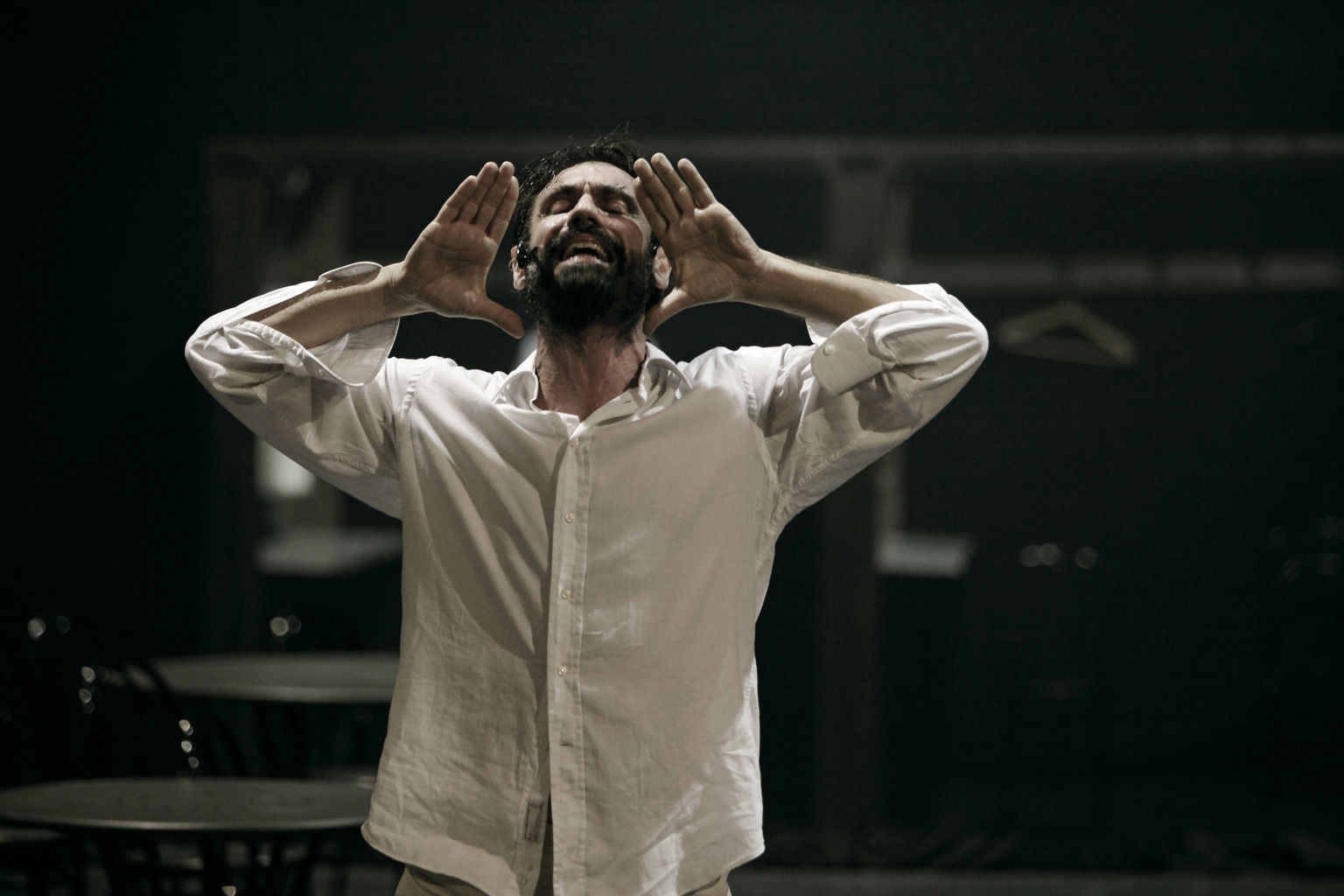
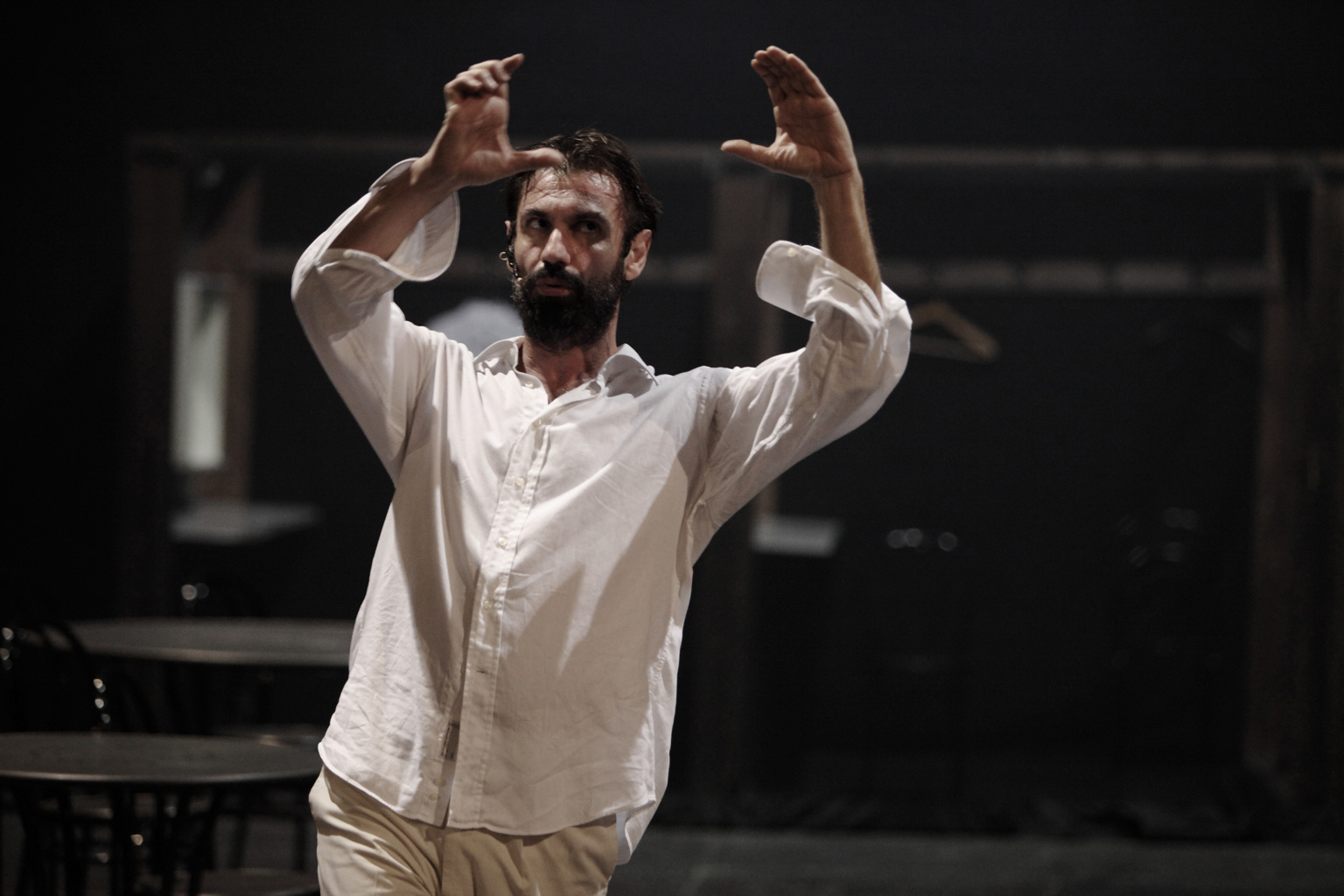
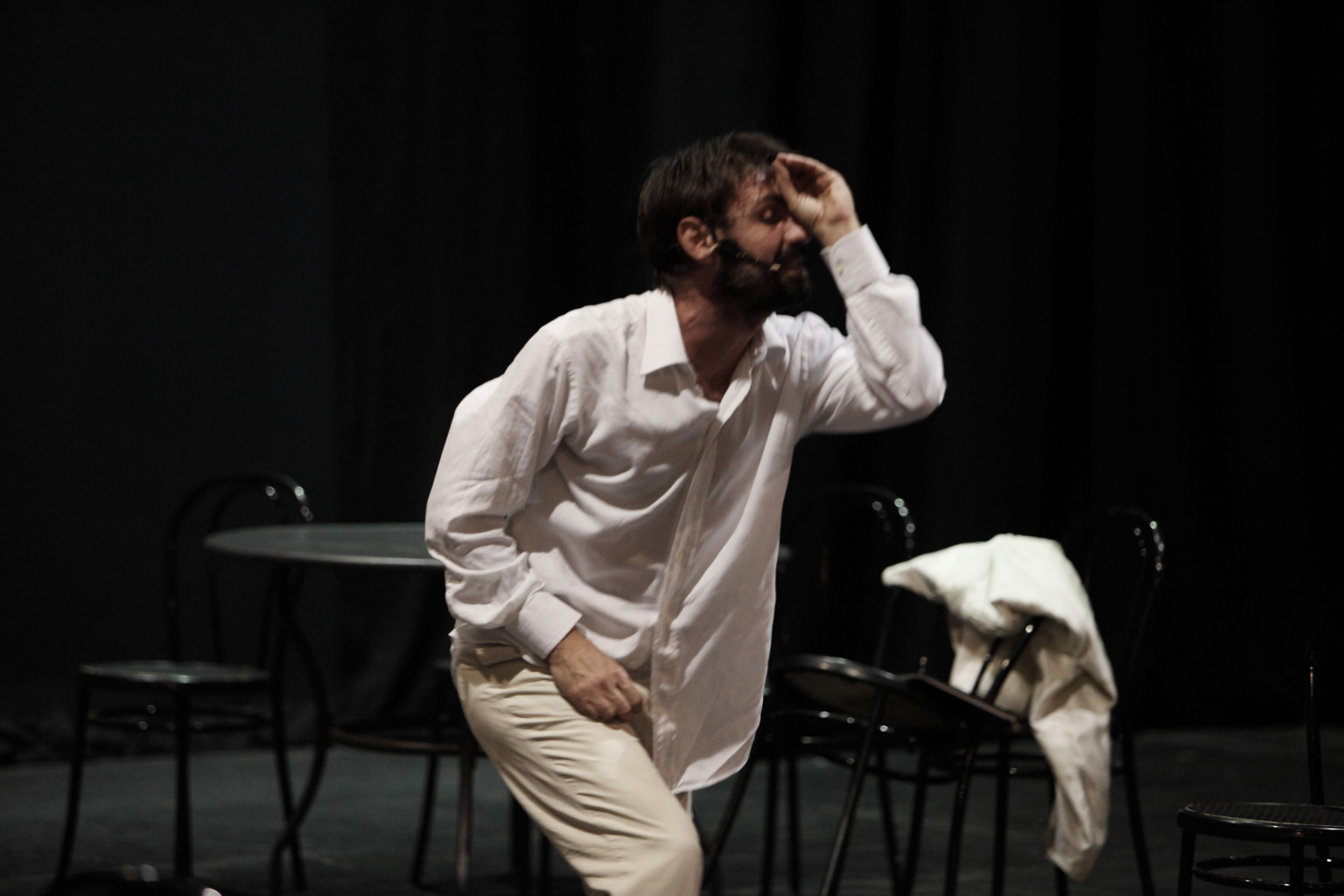
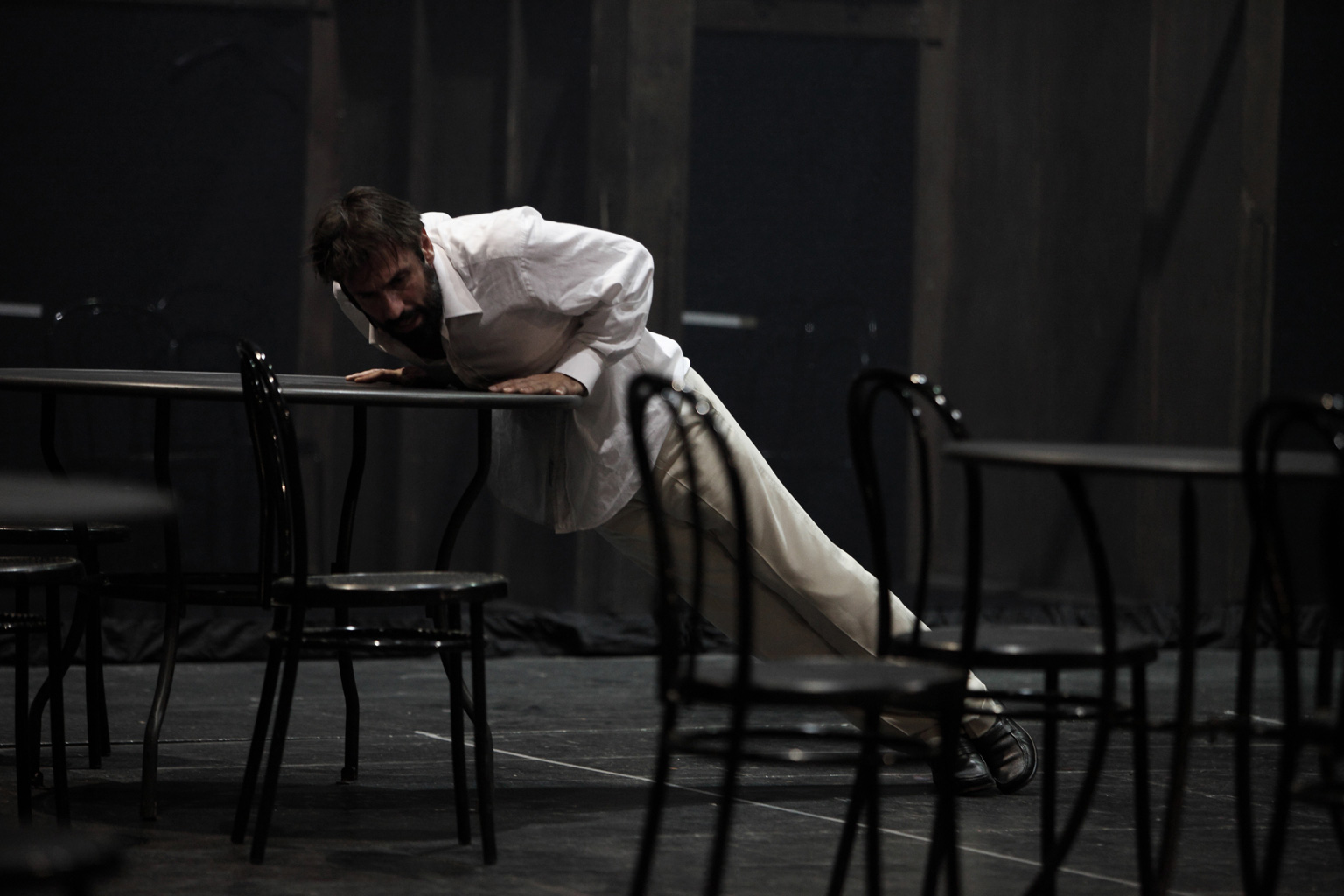
Na specie de cadavere lunghissimo

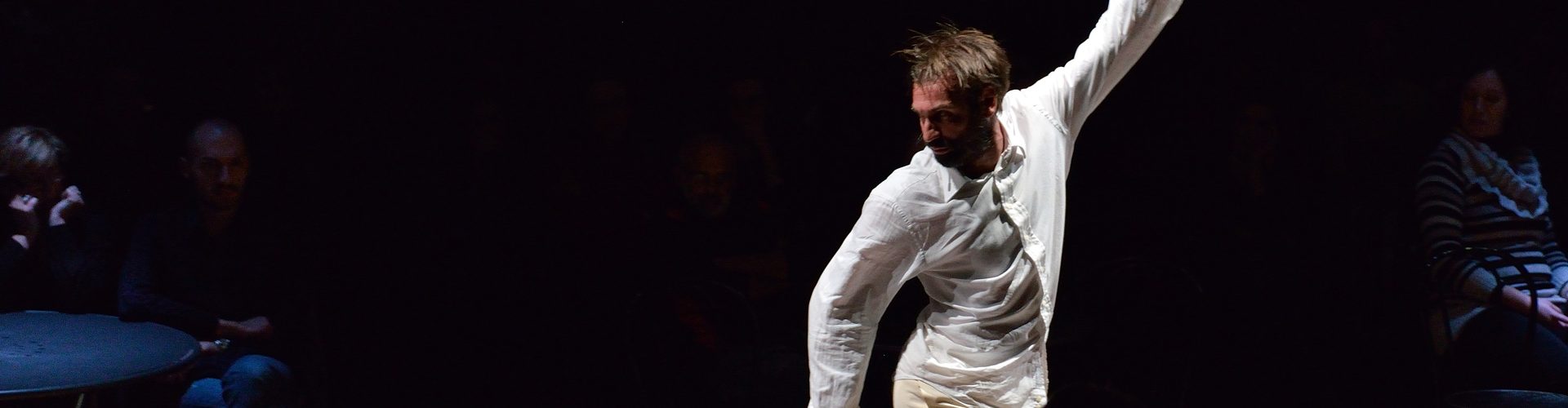
‘Na specie de cadavere lunghissimo - Foto di Filippo Manzini

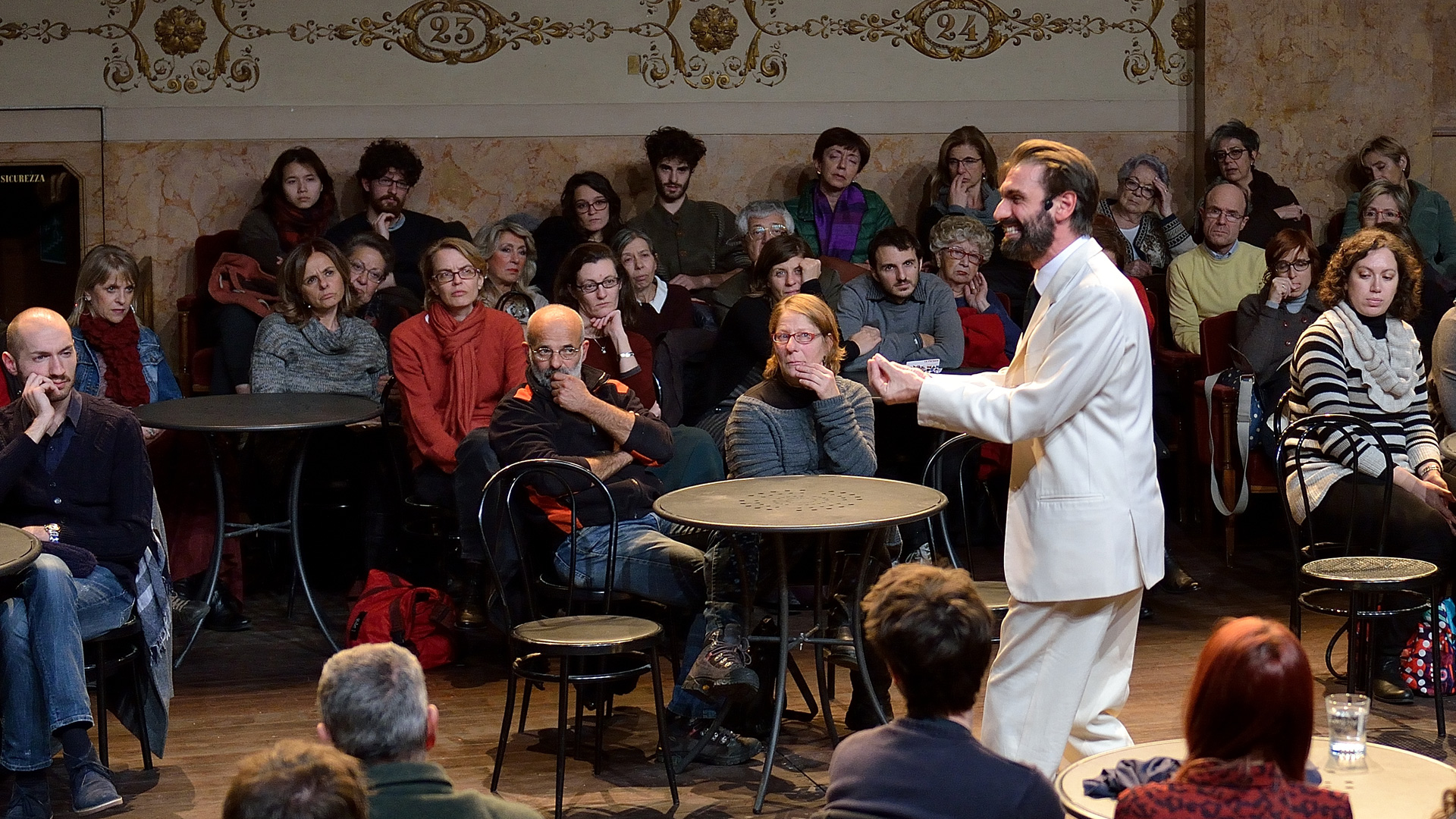
"Something Like a Very Long Cadaver" - 2004

from an idea by Fabrizio Gifuni (based on texts by Pier Paolo Pasolini and Giorgio Somalvico)

directed by Giuseppe Bertolucci

with Fabrizio Gifuni

lighting design: Cesare Accetta

technical director and sound: Paolo Gamper

produced by: Teatro delle Briciole-Solares Fondazione delle Arti

tour organized by Natalia Di Iorio

1^ rappresentazione: Napoli, Teatrino dell’Accademia di Belle Arti  – 4 febbraio 2004

Parma, Teatro al Parco – febbraio 2004

Pisa, Carrara – febbraio 2004

Rome, Teatro India – dal 6 al 17 aprile 2005
Pavia, Teatro Fraschini – ottobre 2005
Parma, Teatro al Parco – ottobre 2005
Rome, Teatro Valle – dal 23 al 27 novembre 2005

Milan, Palazzo della Ragione (per la stagione del Teatro Franco Parenti) – dal 1 al 12 febbraio 2006

Lecce, Teatro Politeama Greco – 22 e 23 febbraio 2007

Rome, Teatro Valle – dal 17 al 21 novembre 2010

Milan, Teatro Franco Parenti – dall’11 al 23 gennaio 2011

Rome, Teatro Vascello – dal 29 al 31 gennaio 2013
Rome, Teatro Vascello – dal 1 al 3 febbraio 2013
Firenze, Teatro della Pergola – dal 3 all’8 dicembre 2013
Pordenone, Teatro Comunale Giuseppe Verdi – 11 dicembre 2013
Parma, Teatro al Parco – 13 e 14 dicembre 2013

Chiasso (Como), Cinema Teatro Chiasso – 11 gennaio 2014
Terni, Teatro Secci – dal 31 gennaio al 1 febbraio 2014

Reggio Emilia, Teatro Cavallerizza – dall’1 al 3 dicembre 2015
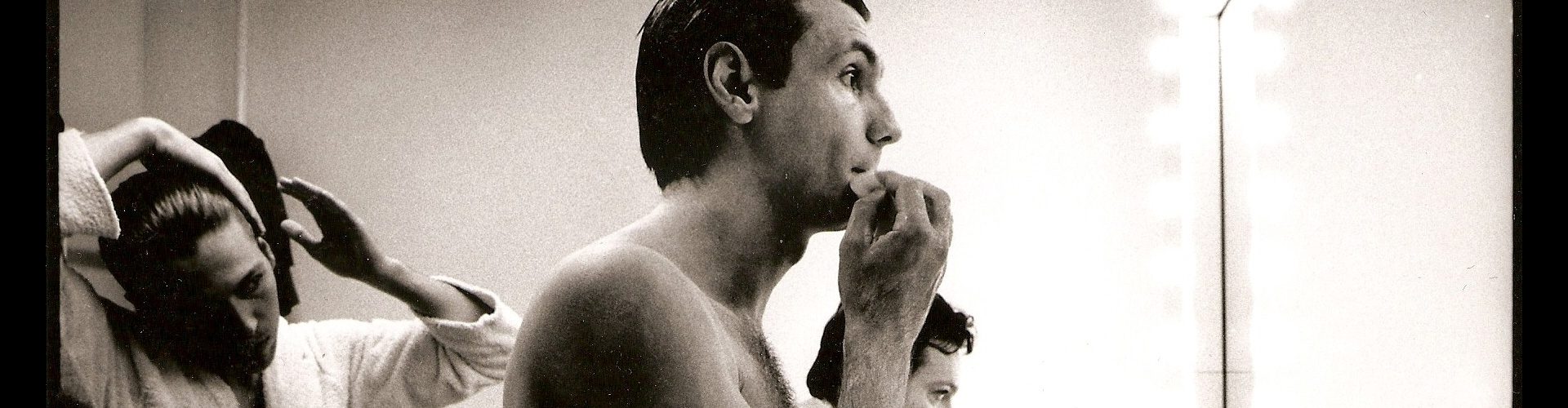
Notes about the show

"For Heraclitus, the world is nothing more than an illusory tissue of opposites. Each pair of opposites is an enigma, whose dissolution is unity, the God behind it all. "I still find in these words something that comes very close to that deep sense of mystery that includes the life, work and death of Pier Paolo Pasolini. A few years ago when I began to think about the idea of a show about Pasolini, it was in terms of opposition that my instinct was moving: father and son, nature and art, victim and perpetrator, were just some of the contradictions that continually came up along the way. But also darkness and light, violence and gentleness, Dr. Jekyll and Mr. Hyde. Of course, the political urgency was equally strong: so strong – In these dark times – that it threatened to overwhelm everything. The river is rising dangerously and may overflow its embankments. Every day that passes. There was also a desire to recount the public and private tragedy of a poet who had seen disappear in a mere three decades the only world in which he wanted to be recognized. The piercing, despairing cry of a man howling in the desert against the immorality and blindness of the old power that was opening the way to a New Power – a new fascism – “the most powerful and totalitarian that has ever been.” But also the very private tragedy of a man who, by virtue of the same political and anthropological policy that he saw befalling Italy, no longer recognized the ‘bodies’ of his beloved boys, who seemed to transform – before his eyes – from “likeable ruffians” into “spectral killers”. His beloved “riccetti” were doing an about-face: from innocence to crime. But that phrase, written by Giorgio Colli in his Birth of Philosophy in 1975, the very year of the death of the Casarsa poet but referring to the great sage of Ephesus, continued to spin its web like an invisible spider. And reading Petrolius (Petroleum) – a reckless journey through the ultimate labyrinth – took me back once again to that shadowy line: Carlo di Polis and Carlo di Tetis, protagonists in the unfinished novel, returned to shatter the ‘id (ego?)’. Like Paul of Tarsus. Like Paul of Casarsa. At the center of the maze was the foul beast. But it was nothing but the image of the hero reflected in a mirror. Moving to Una Nuova Gioventù (A New Youth), Narcissus, after endless dances, sank into his watery mirror. “I am a viola and an alder tree, the dark and the pale flesh…”, “I am black with love, neither Saint nor Devil…” “I am a priest and a free man, two excuses for not living…”. The shattering of, and obsession with, identity came back to move me. “We are, therefore, a single person (dissociation is the structure of structures: / the doubling of the character into two / is the greatest literary invention)” the poet states in Bestia da Stile (A Beast with Style). God is day night, winter summer, war peace, satiety hunger,” wrote Heraclitus in one of his fragments. I only had to follow the flow of the water.

Fabrizio Gifuni

Press

Categories
teatro

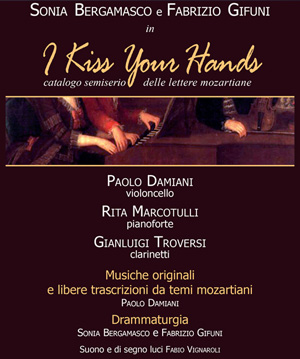
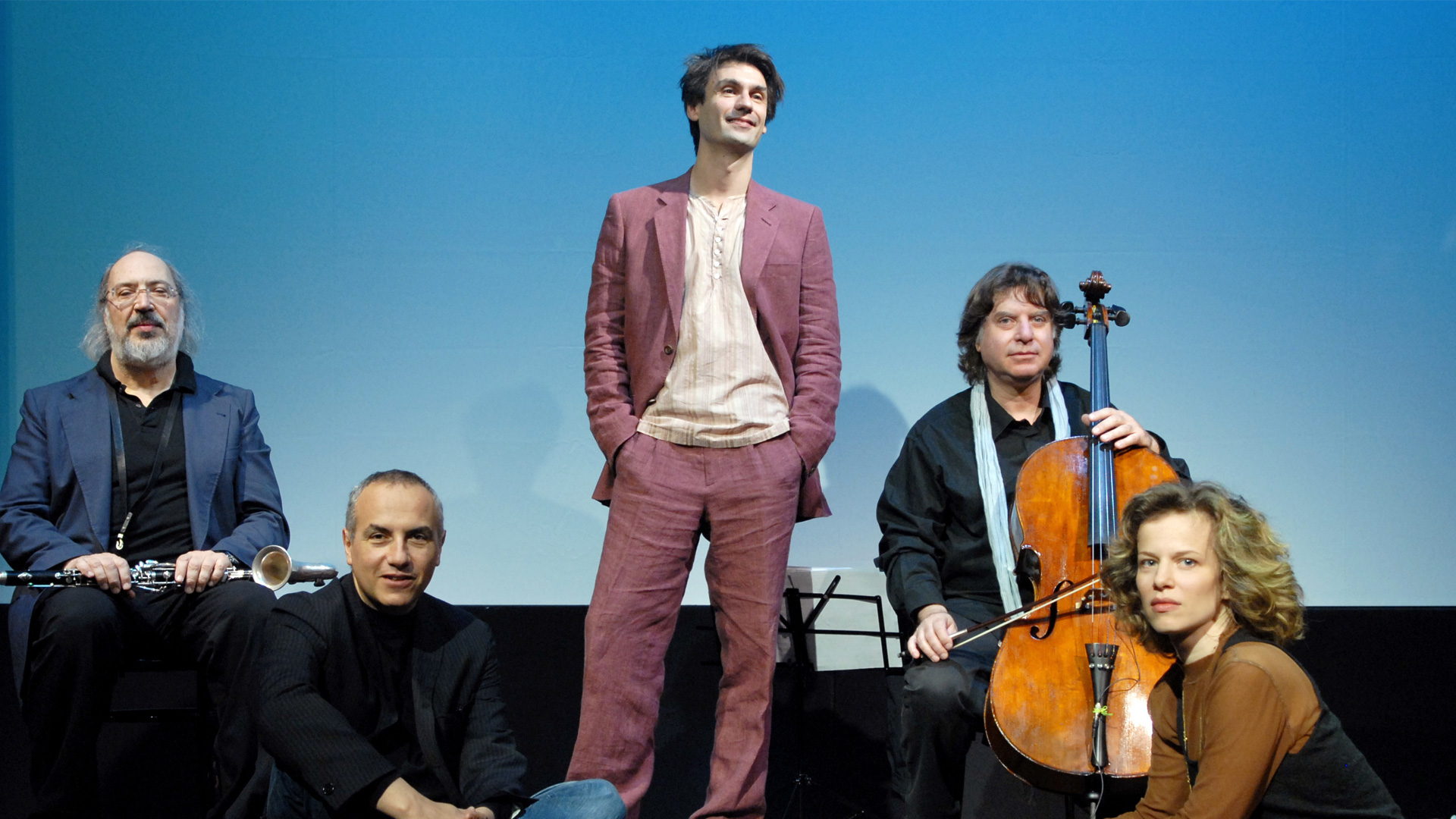
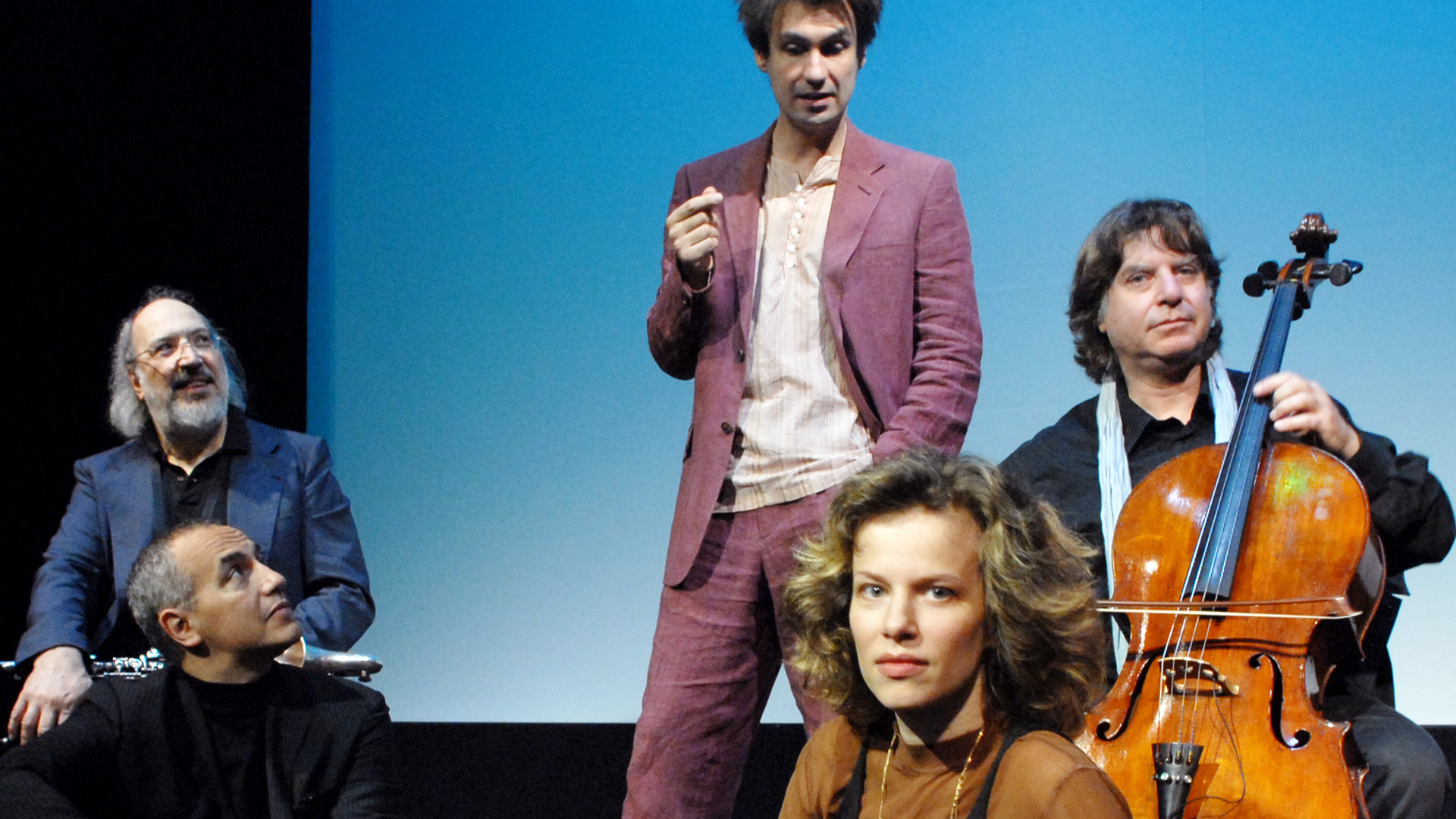
I kiss your hands

“I kiss your hands”  catalogo semiserio delle lettere mozartiane - Foto di M. Mirabella

"I kiss your hands" a semi-serious catalogue of Mozart’s letters- 2006/2007

Conceived by Sonia Bergamasco and Fabrizio Gifuni

With Sonia Bergamasco and Fabrizio Gifuni

Cello: Paolo Damiani

Piano: Danilo Rea, Rita Marcotulli

Clarinets: Gianluca Troversi

Original music and free transcriptions based on themes by Mozart: Paolo Damiani

Dramaturgy: Sonia Bergamasco and Fabrizio Gifuni

Sound and lighting design: Fabio Vignaroli

A brief history of the show

After premiering in the summer of 2006 in Rome, as part of the “Concerts in the Park” series, and also being hosted in the music section of Taormina Arte, I kiss your hands – a semi-serious catalogue of Mozart’s letters continued to develop in 2007, in collaboration with the SOLARES cultural foundation. Revised and expanded, the show – created by Sonia Bergamasco and Fabrizio Gifuni (creators and performers of the drama) and Paolo Damiani (creator and performer of the music) – undertook a successful 2007 tour to some of the most prestigious theatre and music festivals in Italy. Making use of invaluable collaboration with three other outstanding musicians - Gianluigi Trovesi (clarinettist), Danilo Rea and Rita Marcotulli (pianists, who alternate performances) - I Kiss your hands was presented on 7 July at Cesena (I Suoni del tempo), on the 14th at the Teatro Comunale in Bologna (L'estate del Bibiena) and on the 19th at the archeological site in Vulci (Il senso dei luoghi). On 22 July it was performed at the 2007 Ravello Festival and on the 25th and 26th at Nora, in the magnificent setting of the Roman theatre within one of the most beautiful archeological sites in this country (Festival la notte dei poeti). During the summer of 2008, the show went to Pesaro, Caserta and to the Roccella Jonica Jazz Festival.

Categories
teatro

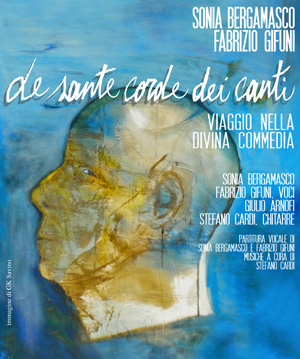
Le sante corde dei canti (The Sacred Strings of Cantos)

"Le sante corde dei canti "- Viaggio nella Divina Commedia

"The Sacred Strings of Cantos". A Journey through The Divine Comedy - 2008

Conceived by Sonia Bergamasco and Fabrizio Gifuni

Voices: Sonia Bergamasco and Fabrizio Gifuni

Guitars: Stefano Cardi and Giulio Arnofi

Prologue: Marco Santagata

Vocal score by Sonia Bergamasco and Fabrizio Gifuni

Music supervision: Stefano Cardi

Performed in Lucera at the Festival of Mediterranean Literature, 13 September 2008

“There is a first reading of the Divine Comedy; there is no final one, because the poem, once discovered, accompanies us all the way to the end. Like the language of Shakespeare, like algebra or our own past, the Divine Comedy is a city we will never manage to explore in its entirety; the most re-read, worn-out terzina may, one evening, show me who I am, or what the universe is.”
J.L.Borges

The performance-concert Le sante corde dei canti (The Sacred Strings of Cantos) , (preceded by a ‘signature’ Prologue entrusted to the voice of Marco Santagata), offers five famous Cantos from the Divine Comedy enveloped in a musical ambience created by the sounds of two guitars and various percussion instruments that articulate the stages of the journey from Hell to Paradise, and breathe life into an uninterrupted narrative flow.

Performed by Fabrizio Gifuni, Sonia Bergamasco, Stefano Cardi and Giulio Arnofi.

Categories
teatro

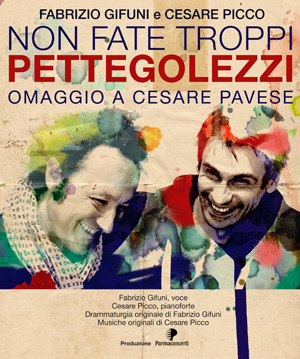
Non fate troppi pettegolezzi” (“Don’t Gossip So Much”) –

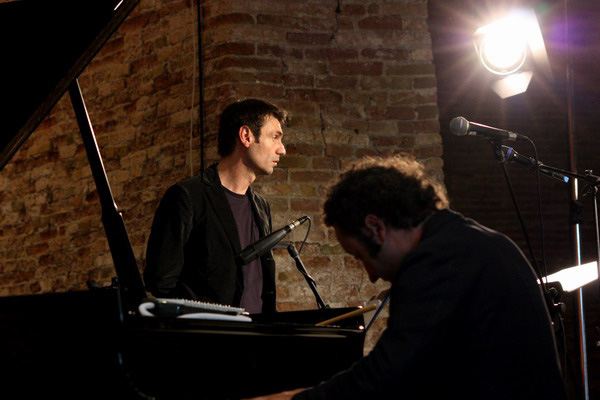
“Non fate troppi pettegolezzi”. Omaggio a Cesare Pavese, Fabrizio Gifuni e Cesare Picco - Foto di Momy Manetti

"Don’t Gossip So Much, a tribute to Cesare Pavese" - 2008

From an idea by Fabrizio Gifuni

Voice: Fabrizio Gifuni

Piano: Cesare Picco

Original dramaturgy by Fabrizio Gifuni

Original music by Cesare Picco

Produced by PARMACONCERTI

As with the performances of Gadda and Pasolini, an original text born of a personal job of dramaturgy on materials conceived by the poet as written words not intended for the stage. The backbone of this body of writing consists of a hilarious and melancholy early story (“Il blues delle cicche“The Cigarette Butt Blues”), acted in the first person by Masino, journalist and chansonnier, elusive alter ego of Pavese himself; vital limbs of this new poetic body, some of his most intense verses, as well as several passages from his private diaries. The journey takes us – through the sound of the music and words – all the way to the premature end of his life. The title of the show – “Non fate troppi pettegolezzi” (“Don’t Gossip So Much”) –refers to the last words the poet noted on a blank page of one of his books (“Dialogues with Leuco”)before he took his own life in Turin on a hot August night in 1950. The show – in the form of a concert – makes use of the invaluable collaboration with one of the most talented and well established pianists in recent generations: Cesare Picco. Thinking about the ‘non-relationship’ between Pavese and classical music, and of his passion for popular ditties, Picco interweaves his original music with the words of the poet.
Fabrizio Gifuni

Texts by Cesare Pavese:

Il blues delle cicche (da “Ciao Masino”)
Alle finestre di un 4 piano (da “Poesie Giovanili”)
Sono andato una sera di dicembre (da “Rinascita”)
I due corpi si scuotono avvinghiati (da “Poesie Giovanili”)
Oh ballerine dalle coscie nude (da “Rinascita”)
Disciplina antica (da “Lavorare Stanca”)
Tutta la perfezione (da “Le febbri di decadenza”)
A sol, di saxofono (da “Blues della grande città”)
No, io son nato per l’inverno (da “Estravaganti scelte”)
Questa città mi ha vinto come un mare (da “Blues della grande città”)

Categories
teatro

Trasumanar

Trasumanar

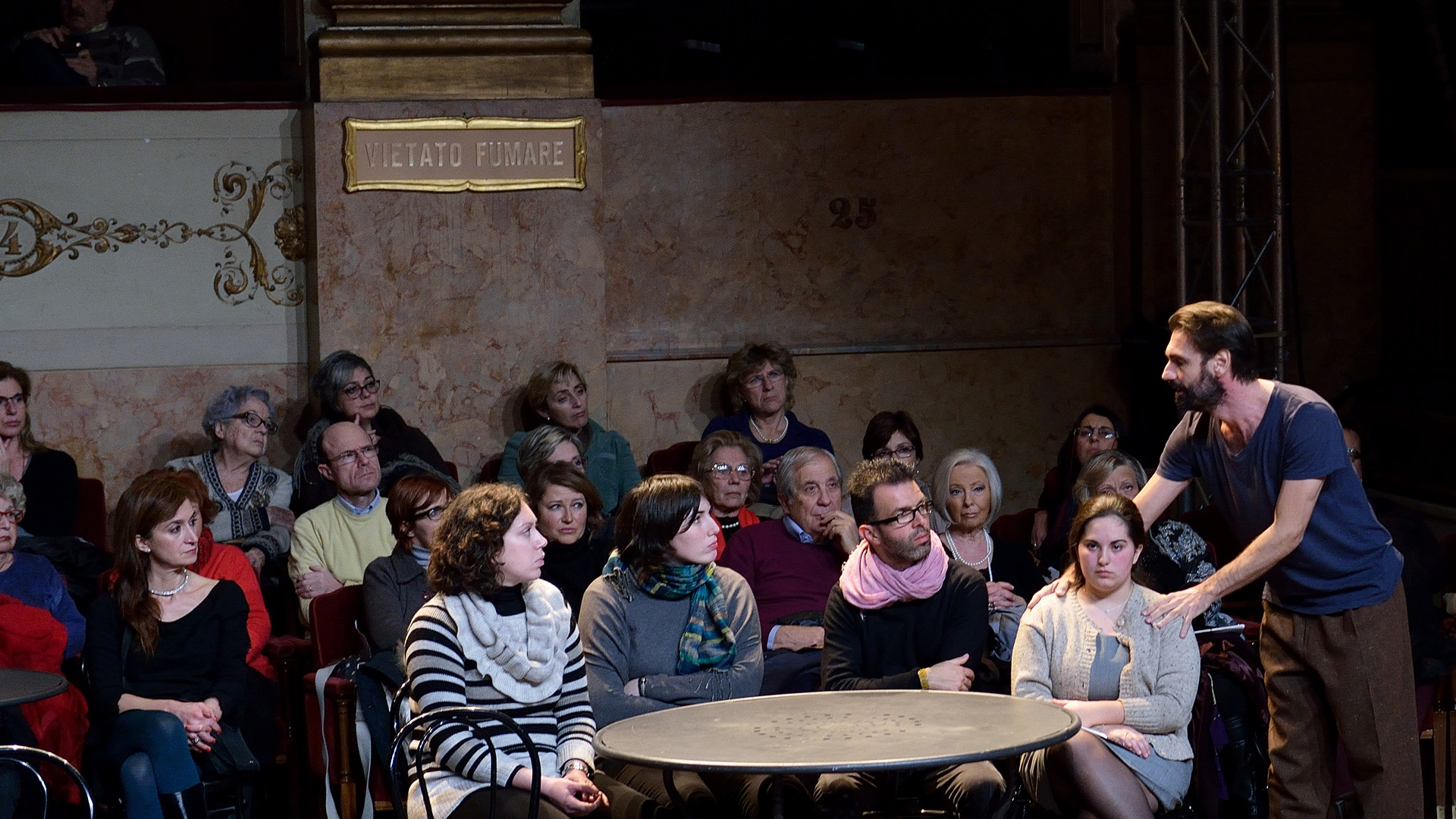
Trasumanar… (from Dante to Pasolini) - 2010 reading

with Fabrizio Gifuni

Dramaturgy: Stefano Massini

A first reading, for the 2010 Francesco Mazzoni Prize awarded to Fabrizio Gifuni by the Società degli Studi Danteschi, at Teatro della Pergola, Florence in March 2010

From Dante:

Inferno, canto I
Paradiso, Canto I

From Pasolini:

Ali dagli occhi azzurri (La mortaccia)
Divina mimesis (canto I seconda parte)
Trasumanar e organizzar (La poesia della tradizione)

Categories
teatro

Premio Mazzoni 2010

BIO_hp(V4)

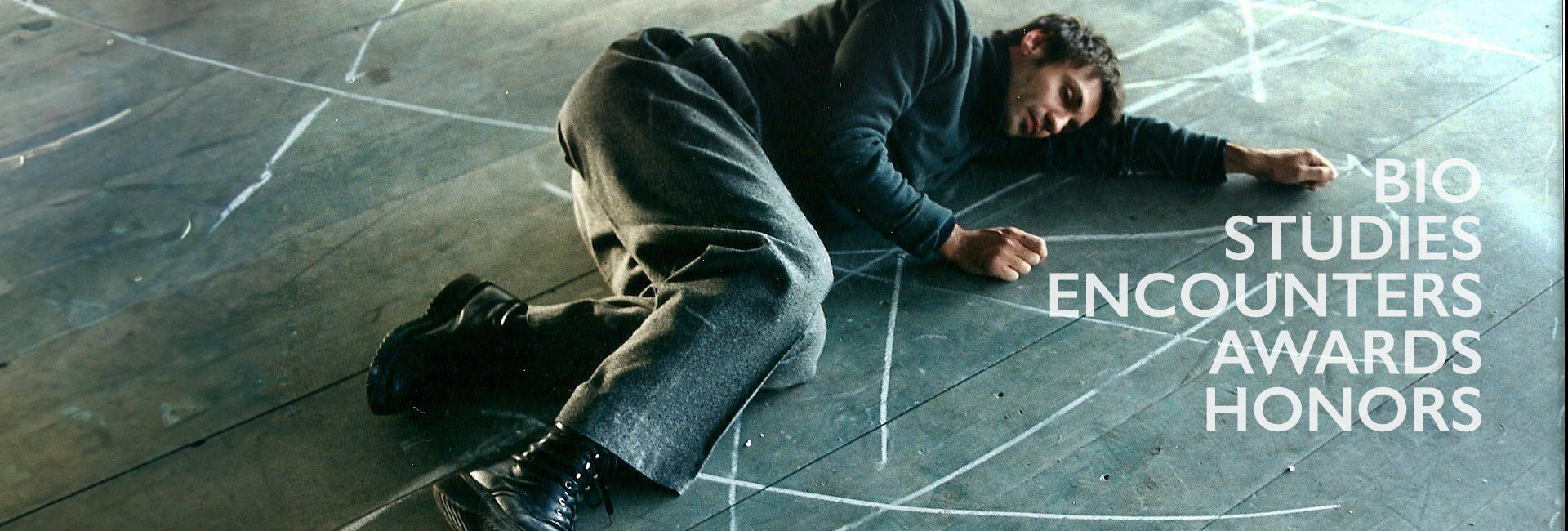
Awards and Honors

2010 Francesco Mazzoni Prize

“Nonostante l’apparente contraddizione con l’età anagrafica del premiato questo riconoscimento a Fabrizio Gifuni è da intendersi a tutti gli effetti come un vero e proprio premio alla carriera non soltanto dunque un premio alla sua oggettiva e non comune statura di interprete ma anche e soprattutto all’importanza delle sue scelte artistiche, alla coerenza del percorso, alla lucida capacità di preservare il proprio valore al riparo da facili scorciatoie e spicciole tentazioni di show business.

Fabrizio Gifuni meritoriamente persegue da anni un itinerario di singole tappe in continuo crescendo inanellando una dopo l’altra, e con fatica, una sorprendente rassegna di sfide vinte sia che si tratti di spettacoli teatrali sia che si avventuri negli insidiosi mari aperti del cinema e della televisione. E se è vero che la sua grande, attuale popolarità nasce in primo luogo da quell’affresco capolavoro de La meglio gioventù con cui il nostro cinema trionfò a Cannes, ciò che più sorprende nella vita artistica di Gifuni è proprio la costanza con cui ben prima di quel ruolo, anno dopo anno, egli si avvicinava con passo sicuro ad majora. Eccola allora 17 anni fa già spiccare in scena nell’Elettra di un Massimo Castri o nelle sue memorabili villeggiature goldoniane, eccolo ancora consolidarsi sotto la guida di maestri come Terzopolous e Giancarlo Sepe, eccolo in fine giungere anche con Giuseppe Bertolucci al punto fermo di vibranti monografie teatrali su Pasolini, Pavese, Gadda e perfino Mozart. Tutti spettacoli, quest’ultimi, unanimemente acclamati, premiati, celebrati; nel frattempo questa giovane promessa mantenuta del teatro italiano si rivelava anche sul grande schermo. Passo dopo passo da The Way We Laughed di Gianni Amelio che ebbe il Leone d’oro alla mostra di Venezia nel 1998 a ruoli sempre più inattesi con registi come Magni, Chiesa, Bertolucci, Molaioli, nientemeno Ridley Scott. In pochissimi anni Gifuni è rivelazione europea al Festival di Berlino, Globo d’oro della stampa estera e Premio de Sica nel 2002, Nastro d’Argento nel 2004, Premio Flaiano, Premio Ischia e Premio Rodolfo Valentino nel 2005.

Qui, oggi, viene premiato quindi come attore completo che con ciascuno dei suoi tanti ruoli ha sempre mostrato una nitida e appassionata sensibilità d’interprete, quella stessa che gli ha fatto assolvere con raro tatto il compito di entrare nelle case di milioni di italiani vestendo ora i panni di un De Gasperi, ora di un Paolo VI, se non più di recente e con clamorosi esiti dell’inquieto psichiatra Basaglia.”